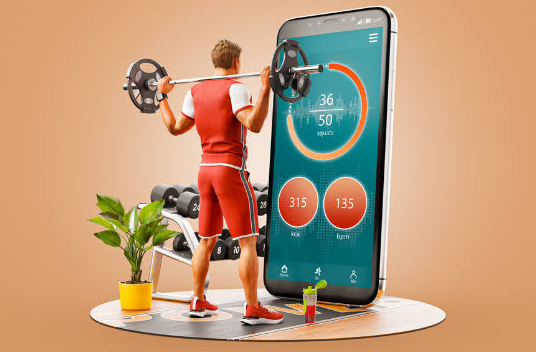
Artificial intelligence in fitness apps blends personalized coaching with evidence-based validation. Systems integrate activity data, biometrics, and goals to craft adaptive plans focused on measurable progress. The approach relies on sensor fusion, posture analysis, and recovery insights to support sustainable habits. Interdisciplinary collaboration governs data governance, privacy, and bias mitigation. The result is autonomous, user-centric guidance with transparent feedback—yet questions remain about real-world adoption, safety, and long-term health outcomes that warrant further examination.
How AI Personalizes Fitness Coaching
Artificial intelligence personalizes fitness coaching by integrating individual data streams—such as activity patterns, biometric metrics, and user goals—into adaptive guidance. Through empirical synthesis, systems craft adaptive planning that respects user autonomy while aligning objectives.
Evaluations emphasize measurable progress and transparency. Motivation boosters emerge from clear feedback loops and attainable milestones, enabling informed, flexible commitment without coercion or overreach.
See also: newsfried
The Technology Behind Posture and Form Analysis
Researchers evaluate model accuracy through controlled tasks and real-world trials, emphasizing reproducibility.
Interdisciplinary collaboration reveals how sensor fusion, occlusion handling, and dataset biases influence results, guiding robust deployment.
Continuous validation remains essential for trustworthy feedback and user empowerment.
From Data to Recovery: AI‑Driven Insights and Habits
From data collected by fitness apps, AI-driven insights translate raw metrics into practical recovery strategies, revealing patterns in fatigue, sleep, and training load.
The approach integrates physiology, data governance, and behavioral science to map interventions.
Interdisciplinary methods assess reliability and bias mitigation, translating complex signals into actionable habits while respecting autonomy, transparency, and user intention within individualized recovery plans.
Evaluating Safety, Privacy, and Real‑World Adoption
Methodologically, researchers assess data governance structures, user consent, and leakage risks, while interdisciplinary teams examine reliability, transparency, and accountability.
Bias mitigation strategies are tested against diverse populations, and practical adoption is analyzed through usability, scalability, and long-term health outcomes.
Frequently Asked Questions
How Accurate Are Ai-Powered Fitness Recommendations?
AI-powered recommendations exhibit varying accuracy, constrained by inference limits and data privacy considerations; evaluations show improvement with robust data and multidisciplinary methods, yet individual outcomes differ, requiring transparent reporting and cautious interpretation for audiences seeking freedom and informed choice.
Can AI Detect Injuries in Real-Time During Workouts?
AI injury detection in real time biomechanics shows promise but current systems have limitations; outcomes depend on sensors, data quality, and algorithms. Researchers pursue interdisciplinary methods to assess risks, enhance safety, and empower individuals seeking freedom through informed practice.
Do AI Coaches Replace Human Trainers Entirely?
AI autonomy cannot wholly replace human trainers; rather, it redefines roles. It complements expertise, preserving trainer balance by blending data-driven guidance with personalized judgment, ensuring interdisciplinary, empirical practice while honoring individuals seeking freedom in fitness decision-making.
How Do AI Apps Handle Cross-Device Data Syncing?
Cross device data syncing is handled by centralized cloud services and local caches, ensuring consistent workout histories. The approach blends cloud reliability with offline resilience, reducing friction while addressing privacy concerns and interoperability across platforms for an adaptive, freedom-seeking audience.
What Are the Costs and Subscription Models for AI Fitness Apps?
Costs and subscription models vary by app, reflecting a structured cost structure with tiered plans and occasional trial pricing; researchers note transparency, cross-discipline evaluation, and user autonomy for flexible access while balancing ongoing development and data privacy considerations.
Conclusion
The study consolidates AI’s role in fitness as iterative, data‑driven, and user‑centered. Across coaching personalization, posture analysis, and recovery insights, outcomes hinge on robust sensor fusion, transparent validation, and privacy safeguards. Real‑world adoption hinges on trust, accessibility, and clear governance that mitigates bias. Anachronistic note: like a well‑tuned metronome in a Renaissance workshop, systems synchronize data streams to sustain safe, autonomous guidance. Methodically, interdisciplinarity remains essential to translate metrics into durable health gains.